
Kelley Sullivan, LCSW
Colorado · 19 yrs exp · 2 languages
Works with Stress, Anxiety / Relationship / Trauma and abuse +13
Works by Somatic Therapy / Acceptance and Commitment Therapy (ACT)
View ProfileThe therapist listings are provided by BetterHelp and we will earn a commission if you use our link - at no cost to you.
Imago Relationship Therapy is a structured couples approach that pairs empathic dialogue with attention to relational patterns and early attachment material. Below you can browse therapists who list Imago Relationship Therapy among their approaches and who work somatically with the felt body.
Look through profiles to learn about each clinician's focus, approach, languages, and credentials, and ask questions about clinical training and licensure.
Colorado · 19 yrs exp · 2 languages
Works with Stress, Anxiety / Relationship / Trauma and abuse +13
Works by Somatic Therapy / Acceptance and Commitment Therapy (ACT)
View Profile
Oklahoma · 9 yrs exp
Works with Stress, Anxiety / Anger / Self esteem +17
Works by Somatic Therapy / Acceptance and Commitment Therapy (ACT)
View Profile
Ohio · 13 yrs exp
Works with Stress, Anxiety / Relationship / Family +14
Works by Somatic Therapy / Acceptance and Commitment Therapy (ACT)
View Profile
Texas · 16 yrs exp
Works with Stress, Anxiety / Relationship / Family +14
Works by Somatic Therapy / Acceptance and Commitment Therapy (ACT)
View Profile
United Kingdom · 15 yrs exp
Works with Stress, Anxiety / Relationship / Trauma and abuse +17
Works by Somatic Therapy / Acceptance and Commitment Therapy (ACT)
View Profile
United Kingdom · 6 yrs exp · 2 languages
Works with Stress, Anxiety / Relationship / Family +16
Works by Somatic Therapy / Attachment-Based Therapy
View Profile
Louisiana · 24 yrs exp
Works with LGBT / Trauma and abuse / Parenting +17
Works by Somatic Therapy / Acceptance and Commitment Therapy (ACT)
View Profile
Michigan · 24 yrs exp · 2 languages
Works with Stress, Anxiety / Addictions / Relationship +16
Works by Somatic Therapy / Acceptance and Commitment Therapy (ACT)
View Profile
United Kingdom · 10 yrs exp
Works with Stress, Anxiety / Relationship / Trauma and abuse +12
Works by Somatic Therapy / Attachment-Based Therapy
View Profile
United Kingdom · 4 yrs exp
Works with Relationship / Family / Parenting +9
Works by Somatic Therapy / Acceptance and Commitment Therapy (ACT)
View Profile
United Kingdom · 26 yrs exp
Works with Stress, Anxiety / Addictions / Trauma and abuse +17
Works by Somatic Therapy / Acceptance and Commitment Therapy (ACT)
View Profile
United Kingdom · 25 yrs exp
Works with Relationship / Family / Trauma and abuse +14
Works by Somatic Therapy / Acceptance and Commitment Therapy (ACT)
View Profile
United Kingdom · 5 yrs exp
Works with Stress, Anxiety / Grief / Self esteem +17
Works by Somatic Therapy / Acceptance and Commitment Therapy (ACT)
View Profile
United Kingdom · 10 yrs exp
Works with Stress, Anxiety / Addictions / Grief +15
Works by Somatic Therapy / Acceptance and Commitment Therapy (ACT)
View Profile
New York · 30 yrs exp · 2 languages
Works with Stress, Anxiety / Relationship / Trauma and abuse +2
Works by Somatic Therapy / Acceptance and Commitment Therapy (ACT)
View Profile
United Kingdom · 11 yrs exp · 3 languages
Works with Stress, Anxiety / Relationship / Anger +17
Works by Somatic Therapy / Acceptance and Commitment Therapy (ACT)
View Profile
Illinois · 15 yrs exp
Works with Stress, Anxiety / Addictions / Trauma and abuse +2
Works by Somatic Therapy / Acceptance and Commitment Therapy (ACT)
View Profile
United Kingdom · 7 yrs exp
Works with Relationship / Trauma and abuse / Intimacy-related issues +14
Works by Somatic Therapy / Attachment-Based Therapy
View Profile
United Kingdom · 10 yrs exp · 2 languages
Works with Stress, Anxiety / Relationship / Self esteem +12
Works by Somatic Therapy / Acceptance and Commitment Therapy (ACT)
View Profile
Australia · 21 yrs exp · 2 languages
Works with Stress, Anxiety / Relationship / Trauma and abuse +14
Works by Somatic Therapy / Acceptance and Commitment Therapy (ACT)
View Profile
Australia · 16 yrs exp
Works with Stress, Anxiety / Relationship / Self esteem +16
Works by Somatic Therapy / Acceptance and Commitment Therapy (ACT)
View Profile
United Kingdom · 3 yrs exp
Works with Stress, Anxiety / Relationship / Trauma and abuse +14
Works by Somatic Therapy / Acceptance and Commitment Therapy (ACT)
View Profile
United Kingdom · 3 yrs exp · 2 languages
Works with Stress, Anxiety / Trauma and abuse / Grief +17
Works by Somatic Therapy / Acceptance and Commitment Therapy (ACT)
View Profile
Australia · 5 yrs exp · 2 languages
Works with Stress, Anxiety / Relationship / Family +17
Works by Somatic Therapy / Acceptance and Commitment Therapy (ACT)
View Profile
Australia · 9 yrs exp · 3 languages
Works with Stress, Anxiety / Relationship / Trauma and abuse +14
Works by Somatic Therapy / Acceptance and Commitment Therapy (ACT)
View Profile
United Kingdom · 7 yrs exp
Works with Addictions / Trauma and abuse / Grief +11
Works by Somatic Therapy / Client-Centered Therapy
View Profile
United Kingdom · 3 yrs exp
Works with Addictions / Relationship / Family +17
Works by Somatic Therapy / Acceptance and Commitment Therapy (ACT)
View Profile
Texas · 5 yrs exp
Works with Stress, Anxiety / Trauma and abuse / Anger +17
Works by Somatic Therapy / Acceptance and Commitment Therapy (ACT)
View Profile
Kentucky · 6 yrs exp
Works with Stress, Anxiety / Relationship / Family +4
Works by Somatic Therapy / Acceptance and Commitment Therapy (ACT)
View Profile
Texas · 17 yrs exp
Works with Stress, Anxiety / Relationship / Family +12
Works by Somatic Therapy / Attachment-Based Therapy
View Profile
Pennsylvania · 20 yrs exp
Works with Stress, Anxiety / Relationship / Intimacy-related issues +10
Works by Somatic Therapy / Acceptance and Commitment Therapy (ACT)
View Profile
Alabama · 22 yrs exp
Works with Stress, Anxiety / Trauma and abuse / Anger +17
Works by Somatic Therapy / Acceptance and Commitment Therapy (ACT)
View Profile
California · 21 yrs exp
Works with Addictions / Relationship / Trauma and abuse +14
Works by Somatic Therapy / Attachment-Based Therapy
View Profile
California · 18 yrs exp
Works with Relationship / Family / Trauma and abuse +14
Works by Somatic Therapy / Attachment-Based Therapy
View Profile
Texas · 36 yrs exp
Works with Addictions / Trauma and abuse / Grief +9
Works by Somatic Therapy / Cognitive Behavioral Therapy (CBT)
View Profile
California · 35 yrs exp
Works with Stress, Anxiety / Relationship / Self esteem +16
Works by Somatic Therapy / Attachment-Based Therapy
View Profile
Pennsylvania · 7 yrs exp
Works with Stress, Anxiety / Addictions / Self esteem +15
Works by Somatic Therapy / Acceptance and Commitment Therapy (ACT)
View Profile
Michigan · 20 yrs exp
Works with Stress, Anxiety / Trauma and abuse / Grief +16
Works by Somatic Therapy / Acceptance and Commitment Therapy (ACT)
View Profile
Florida · 14 yrs exp
Works with Stress, Anxiety / Trauma and abuse / Bipolar +17
Works by Somatic Therapy / Acceptance and Commitment Therapy (ACT)
View Profile
North Carolina · 14 yrs exp
Works with Stress, Anxiety / Addictions / Relationship +16
Works by Somatic Therapy / Client-Centered Therapy
View Profile
Michigan · 6 yrs exp
Works with Relationship / Grief / Self esteem +14
Works by Somatic Therapy / Acceptance and Commitment Therapy (ACT)
View Profile
Massachusetts · 28 yrs exp
Works with Stress, Anxiety / Relationship / Grief +17
Works by Somatic Therapy / Acceptance and Commitment Therapy (ACT)
View Profile
Illinois · 35 yrs exp
Works with Addictions / Trauma and abuse / Grief +12
Works by Somatic Therapy / Acceptance and Commitment Therapy (ACT)
View Profile
Missouri · 12 yrs exp
Works with Stress, Anxiety / Relationship / Grief +2
Works by Somatic Therapy / Acceptance and Commitment Therapy (ACT)
View Profile
Pennsylvania · 25 yrs exp
Works with Stress, Anxiety / Addictions / LGBT +17
Works by Somatic Therapy / Acceptance and Commitment Therapy (ACT)
View Profile
New York · 15 yrs exp
Works with Stress, Anxiety / Addictions / Relationship +11
Works by Somatic Therapy / Attachment-Based Therapy
View Profile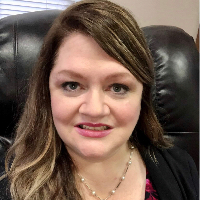
Georgia · 27 yrs exp
Works with Stress, Anxiety / Trauma and abuse / Bipolar +17
Works by Somatic Therapy / Acceptance and Commitment Therapy (ACT)
View Profile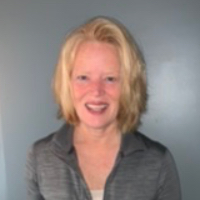
Florida · 10 yrs exp
Works with Addictions / Family / Trauma and abuse +17
Works by Somatic Therapy / Acceptance and Commitment Therapy (ACT)
View ProfileImago Relationship Therapy is grounded in the idea that long-term relationships often reawaken early relational patterns. The approach uses intentional dialogue and structured exercises to reveal how unmet needs from childhood can shape adult reactions. When you add a somatic emphasis, those dialogues are combined with focused attention to sensation and nervous system states. You are invited to notice where feelings sit in your body, how activation or shutdown shows up as tension, holding, heat, breath changes, or constriction, and how those sensations cue relational responses.
The somatic element treats the body and nervous system as essential clinical material rather than bystanders. Rather than focusing only on the words you use, a somatic Imago practitioner helps you track the felt sense that accompanies repeated arguments, withdrawal, or pursuit. That felt sense becomes a doorway to regulatory practices - grounding, orienting, resourcing, titration, and pendulation - which widen what is often called your window of tolerance. The combination of Imago dialogue and somatic regulation is intended to create moments where you can speak, listen, and respond with less automatic reactivity.
You will frequently encounter Imago-informed work when couples bring concerns about recurring fights, communication breakdowns, emotional distance, trust ruptures, or the aftermath of infidelity. Practitioners who add a somatic focus also see people whose relational difficulties are tightly linked to states of chronic activation - anxiety, rage - or to states of shutdown - numbness, disconnection. When relational triggers push you outside your window of tolerance, your nervous system's survival responses can dominate the interaction. Somatic Imago work aims to help you recognize those states in the moment and come back into contact with one another from a more regulated place.
People also seek this kind of work when relationship issues intersect with other life stresses - parenting strain, caregiving responsibilities, or the emotional toll of illness. While somatic relational work does not treat medical conditions directly, it can help you work with how the body holds stress and how that affects communication and intimacy. If medical evaluation or treatment is needed, a clinician should coordinate with your medical team.
Sessions usually follow a predictable, intentional rhythm so that both partners have a turn to speak and a turn to mirror and validate. In a somatic-informed session, that rhythm is paired with moments dedicated to noticing internal sensation. Your therapist may guide you to ground - to feel your feet, lengthen your breath, or orient to the room - before you begin an Imago dialogue. During the exchange, you will be invited to report on the felt sense that arises when you recall a difficult moment or respond to your partner.
The therapist's role is to hold structure and to coach you through regulation steps when activation occurs. That may mean pausing the dialogue to resettle with a resourcing practice, titrating the amount of affect you process so you do not become overwhelmed, or using pendulation so you alternate brief periods of charged material with moments of settling. Online somatic work follows these same principles. There is no physical touch; instead, you learn to name sensations, shift attention, and use embodied practices with the therapist's verbal guidance. Over time, the aim is to expand your capacity to stay present with difficult material and to return to connection after being triggered.
If you are deciding between approaches, note how the emphases differ. Cognitive approaches such as CBT or ACT prioritize thought patterns, beliefs, and behavioral experiments. They can be powerful for changing unhelpful thinking and behavior, but they do not center the felt bodily experience as primary therapeutic material. Psychodynamic work emphasizes long-term exploration of unconscious patterns and relational templates, often through insight and interpretation. Imago focuses on practical relational exercises and enacted dialogues, and when combined with somatic practices, the work shifts further toward working in-the-moment with sensation and regulation.
Some practitioners draw on named body-oriented modalities - Somatic Experiencing, Sensorimotor Psychotherapy, or Hakomi - to inform how they track sensation, titrate activation, and build resources during Imago work. In this directory you will find therapists who list somatic therapy among their approaches; that listing indicates an orientation toward embodied work but does not certify a particular credential. Because clinicians vary in their background, you may find some emphasize structured dialogue more and others place greater weight on embodied sensing. Both emphases can be helpful depending on what you need.
Imago Relationship Therapy with a somatic orientation is a fit if you and your partner want to change repeating patterns of conflict, deepen emotional connection, and learn to co-regulate in stressful moments. It is also a useful path if you find that arguments quickly escalate into strong bodily responses or if disconnection shows up as numbness and avoidance. If you or your partner have a history of trauma, the somatic emphasis can offer tools for staying present with activation, but it is important to ask a therapist how they work with trauma responses and whether they coordinate with other providers as needed.
When you review profiles, focus on the therapist's stated specialties, the approaches they list, languages they work in, and their licensure or registration. Ask specific questions before you begin work - for example, how they integrate Imago structure with somatic interventions, what practices they use to help couples regulate, and how they define safety during sessions. Because listing an approach does not verify training, ask about the clinician's direct experience using Imago and somatic methods, and request clarification about any credentials you find important. Also ask how they coordinate with medical or psychiatric providers when health issues intersect with relational work.
Choosing a therapist is a personal decision. Look for someone whose approach resonates with your goals, who communicates clearly about methods and limits, and who outlines how they handle moments of high activation. Comparing focus areas, approaches, credentials, languages, and experience will help you find a clinician whose way of working aligns with what you hope to change in your relationship.
Before you contact a clinician, prepare a few questions about the structure of sessions, how somatic practices are used in couples work, and how they approach issues that might require medical or psychiatric collaboration. Clarifying how the therapist defines progress and what a short-term plan might look like can help set expectations. If you plan to work online, ask how embodied interventions are adapted for video sessions and what practices you can do together at home to reinforce regulation skills.
Remember that somatic Imago work is a process of learning to notice and work with your lived experience in the body as it unfolds in relationship. It is not a substitute for medical care. If you have health concerns, consult your medical providers and ask a therapist how they will coordinate care. Use this directory to compare clinicians who list Imago Relationship Therapy and who indicate a somatic orientation, and pose direct questions about their experience and credentials so you can make an informed choice about who to work with.
Alabama
10 therapists
Arizona
22 therapists
Arkansas
7 therapists
Australia
87 therapists
California
121 therapists
Colorado
50 therapists
Connecticut
7 therapists
Delaware
4 therapists
District of Columbia
1 therapist
Florida
120 therapists
Georgia
36 therapists
Hawaii
8 therapists
Idaho
12 therapists
Illinois
45 therapists
Indiana
19 therapists
Iowa
4 therapists
Kansas
9 therapists
Kentucky
14 therapists
Louisiana
12 therapists
Maine
6 therapists
Maryland
9 therapists
Massachusetts
16 therapists
Michigan
43 therapists
Minnesota
21 therapists
Mississippi
5 therapists
Missouri
30 therapists
Montana
9 therapists
Nebraska
9 therapists
Nevada
7 therapists
New Hampshire
3 therapists
New Jersey
18 therapists
New Mexico
12 therapists
New York
46 therapists
North Carolina
51 therapists
North Dakota
1 therapist
Ohio
28 therapists
Oklahoma
18 therapists
Oregon
21 therapists
Pennsylvania
30 therapists
Rhode Island
2 therapists
South Carolina
14 therapists
South Dakota
3 therapists
Tennessee
26 therapists
Texas
119 therapists
United Kingdom
454 therapists
Utah
18 therapists
Vermont
7 therapists
Virginia
25 therapists
Washington
19 therapists
West Virginia
5 therapists
Wisconsin
25 therapists
Wyoming
6 therapists