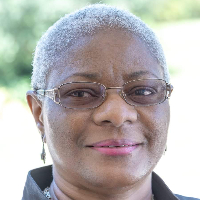
Claudette Gaynor, LMHC
Florida · 19 yrs exp
Works with Stress, Anxiety / Family / Grief +13
Works by Somatic Therapy / Acceptance and Commitment Therapy (ACT)
View ProfileThe therapist listings are provided by BetterHelp and we will earn a commission if you use our link - at no cost to you.
Welcome if you are searching for somatic therapists who work with the body and nervous system for Florida residents. All therapists listed here are licensed and list somatic therapy among their clinical approaches; review profiles to learn about specialties, languages, and credentials. Explore the listings to find practitioners who work somatically and consider reaching out to ask about training and licensure directly.
Florida · 19 yrs exp
Works with Stress, Anxiety / Family / Grief +13
Works by Somatic Therapy / Acceptance and Commitment Therapy (ACT)
View Profile
Florida · 20 yrs exp
Works with Stress, Anxiety / Relationship / Grief +2
Works by Somatic Therapy / Acceptance and Commitment Therapy (ACT)
View Profile
Florida · 25 yrs exp
Works with Stress, Anxiety / Addictions / Trauma and abuse +15
Works by Somatic Therapy / Client-Centered Therapy
View Profile
Florida · 5 yrs exp
Works with Stress, Anxiety / LGBT / Trauma and abuse +11
Works by Somatic Therapy / Acceptance and Commitment Therapy (ACT)
View Profile
Florida · 13 yrs exp
Works with Relationship / Family / Trauma and abuse +13
Works by Somatic Therapy / Acceptance and Commitment Therapy (ACT)
View Profile
Florida · 42 yrs exp
Works with Stress, Anxiety / Addictions / Relationship +16
Works by Somatic Therapy / Acceptance and Commitment Therapy (ACT)
View Profile
Florida · 8 yrs exp
Works with Stress, Anxiety / Addictions / Trauma and abuse +15
Works by Somatic Therapy / Attachment-Based Therapy
View Profile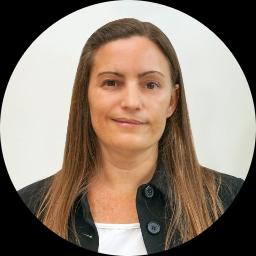
Florida · 14 yrs exp
Works with Stress, Anxiety / Relationship / Trauma and abuse +11
Works by Somatic Therapy / Acceptance and Commitment Therapy (ACT)
View Profile
Florida · 12 yrs exp · 2 languages
Works with Stress, Anxiety / Relationship / Parenting +6
Works by Somatic Therapy / Acceptance and Commitment Therapy (ACT)
View Profile
Florida · 6 yrs exp
Works with Stress, Anxiety / Trauma and abuse / Self esteem +13
Works by Somatic Therapy / Acceptance and Commitment Therapy (ACT)
View Profile
Florida · 15 yrs exp
Works with Stress, Anxiety / Addictions / Relationship +2
Works by Somatic Therapy / Acceptance and Commitment Therapy (ACT)
View Profile
Florida · 10 yrs exp
Works with Stress, Anxiety / Relationship / Parenting +2
Works by Somatic Therapy / Acceptance and Commitment Therapy (ACT)
View Profile
Florida · 7 yrs exp
Works with Stress, Anxiety / Trauma and abuse / Self esteem +15
Works by Somatic Therapy / Client-Centered Therapy
View Profile
Florida · 5 yrs exp
Works with Stress, Anxiety / Addictions / Relationship +2
Works by Somatic Therapy / Attachment-Based Therapy
View Profile
Florida · 3 yrs exp
Works with Stress, Anxiety / Relationship / Trauma and abuse +2
Works by Somatic Therapy / Acceptance and Commitment Therapy (ACT)
View Profile
Florida · 8 yrs exp · 2 languages
Works with Stress, Anxiety / Relationship / Depression +11
Works by Somatic Therapy / Acceptance and Commitment Therapy (ACT)
View Profile
Florida · 9 yrs exp
Works with Stress, Anxiety / Trauma and abuse / Parenting +11
Works by Somatic Therapy / Acceptance and Commitment Therapy (ACT)
View Profile
Florida · 8 yrs exp
Works with Stress, Anxiety / Trauma and abuse / Parenting +13
Works by Somatic Therapy / Acceptance and Commitment Therapy (ACT)
View Profile
Florida · 15 yrs exp · 2 languages
Works with Stress, Anxiety / Relationship / Family +9
Works by Somatic Therapy / Acceptance and Commitment Therapy (ACT)
View Profile
Florida · 35 yrs exp · 3 languages
Works with Stress, Anxiety / Addictions / Relationship +13
Works by Somatic Therapy / Dialectical Behavior Therapy (DBT)
View Profile
Florida · 17 yrs exp
Works with Stress, Anxiety / Trauma and abuse / Self esteem +17
Works by Somatic Therapy / Acceptance and Commitment Therapy (ACT)
View Profile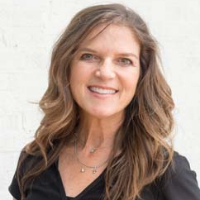
Florida · 28 yrs exp
Works with Stress, Anxiety / Relationship / Self esteem +15
Works by Somatic Therapy / Cognitive Behavioral Therapy (CBT)
View Profile
Florida · 26 yrs exp
Works with Relationship / Grief / Self esteem +14
Works by Somatic Therapy / Acceptance and Commitment Therapy (ACT)
View Profile
Florida · 10 yrs exp
Works with Stress, Anxiety / Addictions / Family +5
Works by Somatic Therapy / Attachment-Based Therapy
View Profile
Florida · 14 yrs exp
Works with Stress, Anxiety / Trauma and abuse / Bipolar +17
Works by Somatic Therapy / Acceptance and Commitment Therapy (ACT)
View Profile
Florida · 11 yrs exp · 2 languages
Works with Stress, Anxiety / Family / Trauma and abuse +11
Works by Somatic Therapy / Client-Centered Therapy
View Profile
Florida · 22 yrs exp
Works with Stress, Anxiety / Grief / Self esteem +12
Works by Somatic Therapy / Acceptance and Commitment Therapy (ACT)
View Profile
Florida · 15 yrs exp
Works with Stress, Anxiety / Relationship / Trauma and abuse +12
Works by Somatic Therapy / Attachment-Based Therapy
View Profile
Florida · 20 yrs exp
Works with Stress, Anxiety / Relationship / Trauma and abuse +15
Works by Somatic Therapy / Acceptance and Commitment Therapy (ACT)
View Profile
Florida · 9 yrs exp
Works with Stress, Anxiety / Sleeping / Career +8
Works by Somatic Therapy / Acceptance and Commitment Therapy (ACT)
View Profile
Florida · 22 yrs exp
Works with Addictions / Family / Trauma and abuse +13
Works by Somatic Therapy / Client-Centered Therapy
View Profile
Florida · 9 yrs exp
Works with Stress, Anxiety / LGBT / Self esteem +9
Works by Somatic Therapy / Acceptance and Commitment Therapy (ACT)
View Profile
Florida · 21 yrs exp
Works with Stress, Anxiety / Career / Depression +11
Works by Somatic Therapy / Acceptance and Commitment Therapy (ACT)
View Profile
Florida · 11 yrs exp
Works with Stress, Anxiety / LGBT / Relationship +10
Works by Somatic Therapy / Attachment-Based Therapy
View Profile
Florida · 30 yrs exp
Works with Stress, Anxiety / Relationship / Trauma and abuse +15
Works by Somatic Therapy / Attachment-Based Therapy
View Profile
Florida · 12 yrs exp
Works with Stress, Anxiety / Relationship / Family +8
Works by Somatic Therapy / Attachment-Based Therapy
View Profile
Florida · 9 yrs exp
Works with Stress, Anxiety / Relationship / Trauma and abuse +14
Works by Somatic Therapy / Acceptance and Commitment Therapy (ACT)
View Profile
Florida · 7 yrs exp · 2 languages
Works with Stress, Anxiety / Trauma and abuse / Depression +13
Works by Somatic Therapy / Acceptance and Commitment Therapy (ACT)
View Profile
Florida · 25 yrs exp
Works with Stress, Anxiety / Addictions / Trauma and abuse +8
Works by Somatic Therapy / Acceptance and Commitment Therapy (ACT)
View Profile
Florida · 13 yrs exp
Works with Stress, Anxiety / Trauma and abuse / Grief +12
Works by Somatic Therapy / Client-Centered Therapy
View Profile
Florida · 33 yrs exp
Works with Relationship / Parenting / Self esteem +12
Works by Somatic Therapy / Acceptance and Commitment Therapy (ACT)
View Profile
Florida · 12 yrs exp
Works with Stress, Anxiety / Addictions / Trauma and abuse +10
Works by Somatic Therapy / Attachment-Based Therapy
View Profile
Florida · 9 yrs exp · 2 languages
Works with Stress, Anxiety / Relationship / Trauma and abuse +12
Works by Somatic Therapy / Acceptance and Commitment Therapy (ACT)
View Profile
Florida · 13 yrs exp
Works with Stress, Anxiety / Trauma and abuse / Depression +12
Works by Somatic Therapy / Acceptance and Commitment Therapy (ACT)
View Profile
Florida · 28 yrs exp
Works with Stress, Anxiety / Family / Parenting +11
Works by Somatic Therapy / Acceptance and Commitment Therapy (ACT)
View Profile
Florida · 20 yrs exp
Works with Stress, Anxiety / Relationship / Grief +15
Works by Somatic Therapy / Attachment-Based Therapy
View Profile
Florida · 10 yrs exp
Works with Addictions / Family / Trauma and abuse +17
Works by Somatic Therapy / Acceptance and Commitment Therapy (ACT)
View Profile
Florida · 9 yrs exp
Works with Stress, Anxiety / Relationship / Trauma and abuse +17
Works by Somatic Therapy / Acceptance and Commitment Therapy (ACT)
View ProfileSomatic therapy in an online format has become a common way for people in Florida to access body-oriented psychotherapy without rearranging travel or schedules. When you look for a clinician who works somatically you are seeking someone who uses the body and the felt sense - sensation, shifts in breathing, changes in tone or posture, patterns of activation and shutdown - as part of the material of the work. This approach follows sensation and nervous-system state more than it focuses only on thoughts and beliefs. In practice you and the therapist may pay attention to grounding, orienting, resourcing, titration - taking small pieces of experience at a time - and pendulation, the gentle movement between moments of activation and moments of settling. The frame that often guides this work is the window of tolerance, which describes the range in which you can stay present with difficult material without becoming overwhelmed or shutting down.
In Florida you will find clinicians who list somatic therapy among their approaches across a range of license types - psychologists, licensed clinical social workers, licensed mental health counselors, and others. A listing on this site indicates that a therapist includes somatic therapy in their clinical repertoire, not that they hold a specific credential in any particular somatic method. When you scan profiles, notice the modalities named and the populations served so you can identify clinicians whose language and experience feel relevant to your needs.
Somatic therapy is particularly aimed at the gap between knowing something intellectually and still feeling it in your body. If you have already explored patterns through talk therapy but notice that certain memories, stressors, or relationships continue to show up as visceral reactions - breath holding, muscle tightness, sudden heart racing, numbness, or a sense of being cut off - somatic approaches are designed to bring attention to those lived bodily experiences. Clinicians who list somatic therapy among their approaches often work with trauma and post-traumatic stress by helping you track degrees of activation and return to baseline, with careful pacing so that you can remain within or gently expand your window of tolerance.
Common applications include anxiety and panic, where bodily symptoms can dominate moments of distress, chronic stress and burnout that produce ongoing tension, dissociation and numbness that disconnect you from sensation, the bodily aspects of grief, and long-standing patterns of muscular holding or tension. People living with ongoing pain or chronic illness sometimes seek somatic psychotherapy to develop new ways of noticing and responding to the felt experience of their symptoms. In those situations it is important to involve medical professionals as indicated - somatic psychotherapy is not a medical treatment, but it can be used to work with your experience of pain or illness when coordinated with appropriate healthcare providers.
Online somatic therapy involves guided tracking of your sensations and nervous-system states through conversation, observation, and gentle invitations to notice shifts in posture, breath, or attention. Video is typically well suited to this work because the therapist can observe subtle changes in facial expression, breath pattern, and movement while you describe what you feel. The therapist will invite you to attend to small, manageable pieces of experience, using resourcing techniques to help you return to a steadier place if activation rises. Importantly, online somatic therapy involves no physical touch; in body-based psychotherapy delivered online the clinician helps you notice and describe your own bodily sensations rather than using hands-on techniques.
To get the most from online sessions you will want a quiet, uninterrupted room and a chair or space that allows you to shift position or stand, if needed. Good lighting and a camera angle that shows your upper body can make it easier for the clinician to see movement and breathing. Stable internet and a device with a reliable camera and microphone matter, of course, but the essential tools are your capacity to track sensation and the clinician's ability to guide pacing and support resourcing. Therapists working with Florida residents must hold an appropriate license to provide care to people in the state, so it is appropriate to confirm that licensure before beginning work.
Checking a clinician's license is an important step before beginning online somatic psychotherapy as a Florida resident. Start by identifying the license type listed on the therapist's profile - for example psychologist, licensed clinical social worker, licensed mental health counselor, marriage and family therapist, or another designation. With that information you can search the relevant state licensing board through the Florida Department of Health's license verification tools or the board that oversees that profession. A license search will typically show the license holder's name, license number, expiration date, any publicly recorded disciplinary actions, and the status of the license.
When you review a license record, pay attention to the license status and expiration date and note any listed restrictions. If you have questions about what a board action means, contact the board directly for clarification. It is reasonable to ask the clinician during an initial conversation which board they are licensed through and where they hold that license. Because licensure rules vary by profession and by state, confirming that a provider is authorized to provide care to residents of Florida is an important safeguard for online work. If you are unsure which license type applies to the clinician you are considering, ask them to explain their credential and the scope of practice that goes with it.
Selecting a therapist who works somatically involves attention to both approach and interpersonal fit. Many clinicians list Somatic Experiencing, Sensorimotor Psychotherapy, or Hakomi among the approaches they draw on; these named methods are well known for their focus on sensation, organismic response, and paced resourcing. That said, a profile that names a method does not substitute for asking about a clinician's actual experience, hours of supervised practice, or the emphasis they place on body-based techniques in their day-to-day work. When you reach out for a consultation, you can ask how they typically work somatically, what exercises or invitations they commonly use, and how they gauge pacing so that you remain within a manageable window of tolerance.
You might also ask how the clinician integrates somatic practices with other approaches, since many therapists blend methods according to client needs. Consider the pace at which the therapist proposes to work, whether they describe how they support resourcing between sessions, and how they help you use somatic awareness in everyday life. For some people an in-person setting feels important for embodiment work; for others, online sessions provide the convenience and continuity they need. Think about whether you prefer sessions that emphasize movement and in-the-body noticing, or ones that focus more on breath, sensation, and tracking while seated. Ultimately, a good match is one where you feel seen, understood, and able to notice shifts in your experience in ways that matter to you.
As you explore profiles on this site, remember to ask directly about a clinician's training background and licensure, since listing somatic therapy among approaches does not indicate a specific credential. Combining an understanding of the methods named, a check of state licensure, and a short consult conversation will help you choose a practitioner whose style and training align with the somatic work you seek.
Addictions
1003 therapists
ADHD
953 therapists
Anger
1124 therapists
Bipolar
808 therapists
Chronic Illness
776 therapists
Chronic Pain
776 therapists
Compulsion
756 therapists
Control Issues
1104 therapists
Depression
1477 therapists
Disaster Relief Therapy
630 therapists
Dissociation
763 therapists
Domestic Violence
790 therapists
Eating Disorders
655 therapists
Gambling
571 therapists
Grief
1311 therapists
Guilt and Shame
1434 therapists
Impulsivity
887 therapists
Intimacy Issues
1011 therapists
Isolation / Loneliness
1320 therapists
Midlife Crisis
1050 therapists
Mood Disorders
1077 therapists
Obsession
756 therapists
OCD
756 therapists
Panic Disorder and Panic Attacks
1153 therapists
Phobias
609 therapists
Post-Traumatic Stress
1352 therapists
Postpartum Depression
696 therapists
Seasonal Affective Disorder (SAD)
862 therapists
Self Esteem
1524 therapists
Self-Harm
784 therapists
Sexual Trauma
800 therapists
Sleeping Disorders
725 therapists
Social Anxiety and Phobia
1250 therapists
Stress & Anxiety
1625 therapists
Trauma and Abuse
1495 therapists
Abandonment
1200 therapists
Adoption
500 therapists
Aging and Geriatric Issues
687 therapists
Attachment Issues
1299 therapists
Blended Family Issues
799 therapists
Body Image
968 therapists
Career
1072 therapists
Caregiver Issues and Stress
1072 therapists
Codependency
1096 therapists
Commitment Issues
888 therapists
Communication Problems
1391 therapists
Compassion Fatigue
1032 therapists
Coping with Life Changes
1430 therapists
Divorce
1111 therapists
Family
1223 therapists
Family of Origin Issues
936 therapists
Fatherhood Issues
595 therapists
Fertility Issues
451 therapists
First Responder Issues
587 therapists
Forgiveness
1233 therapists
Foster Care
500 therapists
Hospice and End-of-Life Counseling
554 therapists
Infidelity
812 therapists
Jealousy
820 therapists
Life Purpose
1406 therapists
Money and Financial Issues
684 therapists
Parenting
1057 therapists
Pregnancy
611 therapists
Relationship
1422 therapists
Self-Love
1450 therapists
Separation
1111 therapists
Sexuality
755 therapists
Workplace Issues
1092 therapists