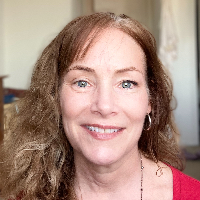
About Kathryn
Kathryn (Kathy) McCabe is a licensed clinical social worker who uses somatic and talk-based methods to help people manage stress, anxiety, relationship strain, trauma, and mood challenges. She combines body-focused awareness with practical talking strategies to help people feel steadier in daily life. Kathy works from Florida and offers remote sessions in English.
Kathy brings nine years of clinical experience to her work as an LCSW. She uses approaches that include Somatic Therapy, Acceptance and Commitment Therapy, Client-Centered Therapy, Cognitive Behavioral Therapy, and the Gottman Method.
Background and approach
In sessions she pays attention to how feelings show up in the body as well as in thoughts and behaviour. Her background includes a Master of Social Work from Columbia University School of Social Work, earned in 1996. The degree is noted for its long history and reputation in social work education.
Kathy’s license is FL LCSW SW10574 and she practices in Florida. In a typical session she helps people name what is happening, try small experiments, and build habits that reduce overwhelm. She also supports work on grief, addiction, parenting stress, self-esteem, and life transitions.
Conversations can include skills practice and attention to physical sensations tied to emotions. People who reach out can expect a collaborative tone. Kathy asks questions, listens, and offers tools drawn from several approaches.
Remote formats include video calls, phone sessions, live chat, and text-based messaging to fit different schedules and needs.
How somatic and talk approaches work online
Somatic work pays attention to body sensations and how they relate to emotions. Online sessions can include guided attention to breathing, posture, and subtle bodily cues to help reduce overwhelm and increase awareness. Acceptance and Commitment Therapy (ACT) focuses on clarifying values and taking small committed steps toward them while learning to live with difficult thoughts. It is useful for stress, anxiety, and life transitions. Client-Centered Therapy emphasizes a respectful, nonjudgmental stance where the person’s concerns guide the pace and focus of sessions.Choosing the right approach is a shared process. The therapist will talk with the person about their goals, try different ways of working, and adjust methods based on what feels helpful. This collaborative process helps shape a plan that fits individual needs and preferences.
Online formats include video calls, phone sessions, live chat, and text-based messaging. These options make it easier to fit therapy into busy days, reduce travel time, and keep continuity during life changes. Licensed professionals can use these formats to teach skills, run conversations, and guide somatic awareness in real time, making therapy flexible and accessible.
Frequently asked questions
What concerns does she address?
How would you describe her therapeutic style?
What kind of experience does the therapist have?
Where is she licensed and based?
Which languages are sessions offered in?
What session formats are available?
How are fees and payment handled?
How do I begin working with her?
Specialties and expertise
Top specialties
- Stress, Anxiety
- Relationship issues
- Trauma and abuse
Also works with
- Abandonment
- Addictions
- ADHD
- Aging and geriatric issues
- Anger management
- Bipolar disorder
- Body image
- Career difficulties
- Caregiver issues and stress
- Coaching
- Codependency
- Commitment issues
- Communication problems
- Compassion fatigue
- Control issues
- Coping with life changes
- Coping with natural or human-caused disaster
- Dependent personality
- Depression
- Disruptive Mood Dysregulation Disorder (DMDD)
- Dissociation
- Divorce and separation
- Domestic violence
- Drug and alcohol addiction
- Eating and food-related issues
- Eating disorders
- Emptiness
- Family conflicts
- Family of origin issues
- Family problems
- Forgiveness
- Grief
- Guilt and shame
- Impulsivity
- Intimacy-related issues
- Isolation / loneliness
- Jealousy
- LGBT
- Life purpose
- Midlife crisis
- Money and financial issues
- Mood disorders
- Narcissism
- Panic disorder and panic attacks
- Paranoia
- Parenting issues
- Personality disorders
- Phobias
- Post-traumatic stress
- Self esteem
- Self-harm
- Self-love
- Sleeping disorders
- Social anxiety and phobia
- Somatization
- Trichotillomania
- Women's issues
- Workplace issues
- Young adult issues
Therapeutic approaches
- Experience
- 9 years
- Licensed
- Florida
- Languages
- English