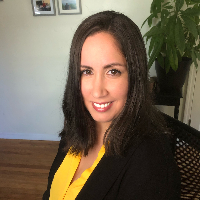
About Yanitza
Yanitza Quiles is a licensed independent clinical social worker with 17 years of experience. She is bilingual in English and Spanish and focuses on helping people facing stress, anxiety, grief, depression, relationship and intimacy-related issues, and career concerns. She also supports people managing bipolar symptoms, ADHD, and life transitions.
Her style is collaborative and down-to-earth. She listens first and helps people notice how their body and emotions are connected. Sessions include practical tools and short exercises to try between meetings.
Background and approach
The goal is steady progress rather than quick fixes. Yanitza uses somatic techniques to help people tune into bodily responses to stress and trauma. She mixes client-centered conversation, mindfulness practices, and solution-focused steps so people can build on what already works for them.
Motivational interviewing is used when someone wants clearer direction for change. Her background includes long experience across many concerns, with attention to multicultural issues and life-stage challenges like caregiving and postpartum adjustment. She brings everyday language and simple practices to help people feel more grounded and able to act.
Outside of work she is a mother of two daughters and enjoys CrossFit, Audible books, and true-crime podcasts. She aims to make the first step easier by meeting people where they are and helping them move toward the life they want.
How somatic and conversational approaches work online
Yanitza combines somatic work with client-centered and mindfulness approaches to help people notice how body sensations and emotions connect. Somatic Therapy focuses on bodily awareness and simple movement or breathing practices to reduce tension and reactivity, which can be helpful for trauma, anxiety, and stress. Client-Centered Therapy centers the person’s experience, so sessions follow what matters most to the individual and move at their pace. Mindfulness Therapy adds short attention practices to build calm and clarity and suits people working on anxiety, mood, or life transitions.Finding the right mix of methods is part of the process. The therapist will work collaboratively to decide which approaches fit best based on a person’s goals, preferences, and responses in early sessions. Adjustments are made as therapy progresses so the plan stays practical and useful.
Online formats - video calls, phone sessions, live chat, and text-based messaging - make it easier to fit therapy into a busy life. Video and phone let people practice breathing and grounding exercises together, while chat or messaging can be useful for brief check-ins and reminders. These options increase flexibility and make ongoing support more accessible for many people.
Frequently asked questions
What concerns does this therapist address?
How would you describe the therapeutic style?
What is her professional background?
What credentials and location are listed?
Which languages are supported for sessions?
What session formats are available?
How is cost handled?
How do I begin working together?
Specialties and expertise
Top specialties
Also works with
- ADHD
- Aging and geriatric issues
- Bipolar disorder
- Blended family issues
- Career difficulties
- Caregiver issues and stress
- Compassion fatigue
- Coping with life changes
- Depression
- Family conflicts
- Family problems
- Hospice and end-of-life counseling
- Intimacy-related issues
- Isolation / loneliness
- Life purpose
- Mood disorders
- Multicultural concerns
- Post-traumatic stress
- Postpartum depression
- Pregnancy and childbirth
- Prejudice and discrimination
- Seasonal Affective Disorder (SAD)
- Self esteem
- Self-love
- Social anxiety and phobia
- Women's issues
- Workplace issues
Therapeutic approaches
- Experience
- 17 years
- Licensed
- Massachusetts
- Languages
- English, Spanish