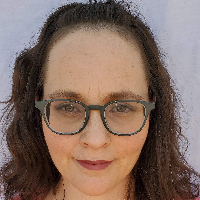
About Victoria
Victoria Cannon is a licensed clinical social worker with 13 years of experience helping people find calmer days. She focuses on easing anxiety, depression, trauma, and stress. Victoria uses clear, steady support to help people build coping skills and make changes that fit their life.
She begins by getting to know each person and their goals. Sessions look at how past experiences and current patterns connect. Victoria pays close attention to attachment and relational patterns to help people feel safer in relationships and in themselves.
Background and approach
Her work often centers on recovery from trauma and ending cycles of unhealthy connection. She also helps with grief, addiction-related concerns, parenting strain, and mood challenges like bipolar disorder and panic. Eating and body-related issues, postpartum struggles, and anger are part of her practice when they connect to a person’s history and current life.
Victoria integrates body-focused work alongside talk-based methods. She draws on somatic techniques, mindfulness, Acceptance and Commitment Therapy, and emotionally focused and attachment-based ideas. This mix helps people notice what shows up in their bodies and respond differently to stress.
Sessions are offered in English and she practices in Arizona as an LCSW - that is a licensed clinical social worker. Therapy uses a subscription model that can be canceled at any time. To begin, a short matching questionnaire and scheduling step are used.
Approaches you can use in online sessions
Somatic Therapy helps people notice sensations in the body and how they connect to emotions and memories. It can be useful for trauma, panic, and ongoing stress when physical reactions keep getting triggered.Acceptance and Commitment Therapy, or ACT, focuses on clarifying values and taking small actions that match those values. It helps with anxiety, depression, and feeling stuck by teaching skills to accept difficult thoughts while moving toward meaningful goals.
Attachment-Based Therapy looks at how early relationships shape current patterns with others. It can help people who struggle with trust, abandonment fears, or repeating unhealthy relationship dynamics.
Finding the right approach is part of the work. The therapist will discuss options and make choices together based on a person’s concerns, goals, and what feels manageable. That collaborative process helps tailor techniques to each person’s life.
Online therapy offers flexible ways to connect, including video calls, phone sessions, live chat, and text-based messaging. These formats make it easier to fit sessions into busy days and to continue work during life changes. Many people find the range of options helps them stay consistent with therapy and use techniques between sessions.
Frequently asked questions
What concerns does Victoria help with?
How would you describe her therapeutic style?
What is her professional background?
What are her credentials and where is she located?
Can sessions be conducted in other languages or with international clients?
What formats are available for sessions?
How does payment and cost work?
How do I start a therapy relationship?
Specialties and expertise
Top specialties
- Stress, Anxiety
- Relationship issues
- Trauma and abuse
Also works with
- Abandonment
- Addictions
- Anger management
- Attachment issues
- Bipolar disorder
- Career difficulties
- Codependency
- Compassion fatigue
- Coping with life changes
- Coping with natural or human-caused disaster
- Depression
- Dissociation
- Eating and food-related issues
- Eating disorders
- Family conflicts
- Family of origin issues
- Family problems
- Fatherhood issues
- Grief
- Guilt and shame
- Intimacy-related issues
- Mood disorders
- Panic disorder and panic attacks
- Parenting issues
- Post-traumatic stress
- Postpartum depression
- Pregnancy and childbirth
- Self esteem
- Sexual assault and abuse
- Somatization
- Young adult issues
Therapeutic approaches
- Experience
- 13 years
- Licensed
- Arizona
- Languages
- English