Dr. Skytina Felder-Jones, LMHC, LCPC
Compassionate, body-aware therapy for lasting change
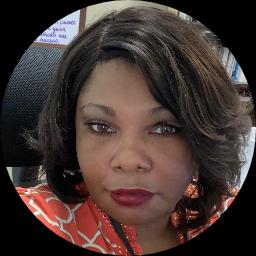
About Skytina
Dr. Skytina Felder-Jones is a licensed mental health counselor with two decades of professional experience. She is licensed in Washington as an LMHC and holds an LCPC credential, and she practices from Idaho.
She focuses on helping people facing addictions, relationship struggles, trauma and abuse, parenting stress, and bipolar-related concerns. Her work starts by listening. She treats each person as the expert on their life and looks for strengths to build on.
Background and approach
She aims to make the first steps toward change feel manageable rather than overwhelming. Sessions are practical and collaborative with a calm, steady presence. Dr.
Felder-Jones draws on body-aware work alongside evidence-based talk therapies. She blends somatic approaches with methods like Acceptance and Commitment Therapy and Cognitive Behavioral Therapy to address both physical reactions and thought patterns. That mix helps when emotions feel stuck in the body or when old patterns keep repeating.
She also uses attachment-focused and client-centered approaches to help people understand relational patterns and feel heard. The work often involves noticing how past experiences shape current responses, then trying new actions that fit the person’s goals. Many people come for help with specific issues such as codependency, abandonment, blended family stress, chronic illness, or body image.
Dr. Felder-Jones offers straightforward guidance and practical tools. Her aim is to support steady progress at a pace that feels right for each person.
Integrating body-aware work and talking therapies online
Somatic Therapy invites attention to bodily sensations and movement as part of healing. It helps when stress or trauma shows up as tightness, tension, or other physical reactions, and it is often paired with talk-based work to shift how the body responds.Acceptance and Commitment Therapy, or ACT, focuses on noticing thoughts and feelings without getting stuck, then choosing actions that match what matters most. It can be useful for managing avoidance, mood swings, addictive urges, and life transitions.
Attachment-Based Therapy looks at how early relationships shape current patterns and helps people practice new, healthier ways of relating. This approach can be helpful for people dealing with relationship problems, codependency, or attachment-related stress.
Choosing the right approach is part of the work. The therapist will collaborate with each person to try methods that fit their goals and preferences. Together they adjust techniques over time so the plan matches what actually helps.
Online therapy offers flexibility through video calls, phone sessions, live chat, or text-based messaging. That range allows people to access sessions from home, keep continuity during life changes, and pick the format that feels safest and most useful. Licensed professionals can guide somatic and evidence-based practices even when meeting remotely, helping people build new habits and manage symptoms from wherever they connect.
Frequently asked questions
What kinds of concerns does she address?
How would you describe her therapeutic style?
What is her background and experience?
Where is she licensed and based?
Which languages are supported for sessions?
What session formats are available?
How is cost handled for therapy?
How do I begin working with her?
Specialties and expertise
Top specialties
- Addictions
- Relationship issues
- Trauma and abuse
Also works with
- Abandonment
- Adoption and foster care
- Aging and geriatric issues
- Antisocial personality
- Attachment issues
- Avoidant personality
- BDSM, kink, and alternative sex culture
- Bipolar disorder
- Blended family issues
- Body image
- Cancer
- Caregiver issues and stress
- Chronic pain, illness, and disability
- Co-morbidity
- Codependency
- Commitment issues
- Communication problems
- Control issues
- Coping with natural or human-caused disaster
- Dependent personality
- Disruptive Mood Dysregulation Disorder (DMDD)
- Dissociation
- Divorce and separation
- Domestic violence
- Drug and alcohol addiction
- Emptiness
- Family of origin issues
- Family problems
- Fatherhood issues
- Fertility issues
- First responder issues
- Forgiveness
- Gender dysphoria
- Guilt and shame
- HIV / AIDS
- Hoarding
- Hospice and end-of-life counseling
- Immigration issues
- Impulsivity
- Infidelity
- Isolation / loneliness
- Jealousy
- Life purpose
- Midlife crisis
- Money and financial issues
- Mood disorders
- Multicultural concerns
- Narcissism
- Obsessions, compulsions, and OCD
- Panic disorder and panic attacks
- Paranoia
- Parenting issues
- Personality disorders
- Phobias
- Polyamory / non-monogamous relationships
- Post-traumatic stress
- Postpartum depression
- Pregnancy and childbirth
- Prejudice and discrimination
- Process addiction (porn, exercise, gambling)
- Seasonal Affective Disorder (SAD)
- Self-harm
- Self-love
- Sex addiction
- Sexual assault and abuse
- Sexual dysfunction
- Sexuality
- Social anxiety and phobia
- Somatization
- Traumatic brain injury
- Trichotillomania
- Veteran and Armed Forces Issues
- Women's issues
- Workplace issues
- Young adult issues
Therapeutic approaches
- Acceptance and Commitment Therapy (ACT)
- Attachment-Based Therapy
- Client-Centered Therapy
- Cognitive Behavioral Therapy (CBT)
- Dialectical Behavior Therapy (DBT)
- Emotionally-Focused Therapy (EFT)
- Existential Therapy
- Eye Movement Desensitization and Reprocessing (EMDR)
- Gottman Method
- Mindfulness Therapy
- Motivational Interviewing
- Narrative Therapy
- Psychodynamic Therapy
- Solution-Focused Therapy
- Somatic Therapy
- Trauma-Focused Therapy
- Internal Family Systems
- Experience
- 20 years
- Licensed
- Washington, Idaho, Virginia
- Languages
- English