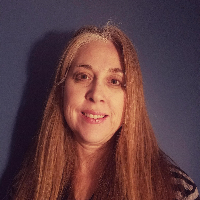
About Roseann
Roseann Smith is a Licensed Clinical Social Worker (LCSW) based in Virginia who helps people facing addiction, trauma, depression, anxiety, and relationship struggles. She draws on 16 years of experience to support practical change. Her approach feels warm and down-to-earth so people can talk honestly about hard things.
She uses somatic work to help people notice how stress and trauma show up in the body. Roseann also relies on client-centered care to follow what each person needs.
Background and approach
Cognitive Behavioral Therapy (CBT) and mindfulness are tools she uses to build coping skills and reduce unhelpful thinking. Her background includes work with people managing bipolar disorder, major depression, and substance use concerns. She has experience in college counseling settings and helping young adults navigate relationship and life transitions.
That variety informs how she matches strategies to each person’s situation. Sessions often include goal-setting and practical steps to try between meetings. These tasks come from conversations in the room and are meant to be realistic and doable.
Motivational interviewing and elements of dialectical behavior therapy (DBT) also shape how she helps people stay engaged with change. Roseann aims to create a friendly, lighthearted space where clients can feel at ease. She prioritizes collaboration and clear next steps.
People who want a therapist who mixes body-focused work, skills practice, and a strengths-based outlook may find her approach helpful.
How somatic and skills-based methods work online
Somatic work helps people notice physical sensations tied to stress and trauma and learn gentle ways to regulate their bodies. In online sessions this might mean guided breathing, grounding exercises, and attention to posture or tension while talking about difficult memories.Client-centered therapy focuses on listening, empathy, and following what each person brings to the session. It creates space for clients to set the pace and priorities, which pairs well with Cognitive Behavioral Therapy (CBT) when practical skill-building is needed. CBT offers straightforward techniques to identify unhelpful thoughts and try new behaviors between sessions.
Finding the best approach is usually collaborative. The therapist will talk with clients about goals, preferences, and responses to different methods, then adjust the mix of somatic awareness, client-centered support, and CBT tools to fit the person. That planning happens together so therapy stays relevant and doable.
Online formats - video calls, phone sessions, live chat, and text-based messaging - make it easier to keep consistent work going. Video enables guided body-focused exercises, phone sessions suit focused conversation, and messaging supports quick check-ins and reminders about between-session goals. These options aim to make therapy more flexible and easier to fit into a busy life.
Frequently asked questions
What kinds of problems does she help with?
How would you describe her therapy style?
What is her clinical experience?
What credentials and location are listed?
What languages are available for sessions?
In what formats are sessions offered?
How does pricing work?
What are the first steps to begin therapy?
Specialties and expertise
Top specialties
Also works with
- Abandonment
- Anger management
- Bipolar disorder
- Codependency
- Communication problems
- Control issues
- Coping with life changes
- Drug and alcohol addiction
- Family conflicts
- Grief
- Guilt and shame
- Mood disorders
- Post-traumatic stress
- Postpartum depression
- Relationship issues
- Self esteem
- Self-love
- Social anxiety and phobia
- Stress, Anxiety
- Young adult issues
Therapeutic approaches
- Experience
- 16 years
- Licensed
- Virginia
- Languages
- English