Patricia Curran, LPC, LMHC
Experienced counselor blending somatic and talk therapy
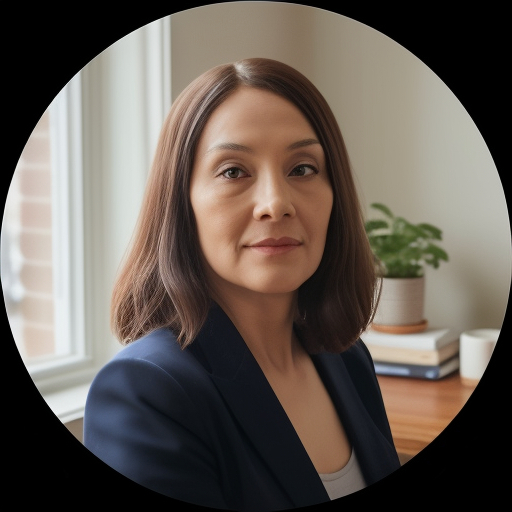
About Patricia
Patricia Curran is a Licensed Professional Counselor and Licensed Mental Health Counselor with 36 years of clinical experience. She meets people where they are and helps them sort through stress, anxiety, grief, depression, relationship struggles, and major life changes. Patricia uses plain language and a steady pace so conversations feel clear and manageable.
She draws on several approaches to tailor work to each person. That can include somatic techniques to notice how the body holds stress, client-centered listening to help clients name what matters, and practical CBT tools to shift thinking and behavior.
Background and approach
Patricia also uses elements from DBT and motivational interviewing when those skills fit the goals. Her background includes work in outpatient, inpatient, and confinement settings, which exposed her to a wide range of issues and life stages. That variety informs how she supports people facing aging and geriatric concerns, cancer and hospice issues, caregiver stress, divorce, and midlife transitions.
Sessions focus on concrete steps and learning skills that can be used outside of therapy. Patricia helps clients identify small changes and practice them between meetings. The aim is clearer priorities, fewer overwhelming moments, and more confidence in day-to-day choices.
Therapy is offered in English and is provided from Arizona. Patricia holds the credentials LPC and LMHC and combines experience with straightforward, compassionate support to help people move forward.
How somatic and practical approaches translate online
Somatic Therapy helps people notice how emotions show up in the body, such as tension or breath changes, and uses gentle attention to those sensations to ease stress and trauma responses. Client-Centered Therapy emphasizes listening, validation, and helping clients find their own answers through reflective conversation. Cognitive Behavioral Therapy (CBT) focuses on identifying unhelpful thoughts and testing small behavior changes to reduce anxiety and depression.Choosing the right mix of techniques is a collaborative process. The therapist works with each person to decide which approaches fit their goals and comfort level, and adjusts as progress unfolds. That means the work can include body-focused awareness, talking through patterns, or practicing specific skills depending on what helps most.
Online therapy offers flexibility for people juggling busy lives or health needs. Video calls allow face-to-face interaction for somatic awareness and exercises, while phone sessions can be calmer for some conversations. Live chat and text-based messaging provide short, on-the-go check-ins and skill reminders between sessions. These options make it easier to keep steady momentum and try new skills in everyday moments.
Frequently asked questions
What concerns does Patricia commonly address?
How would you describe her therapeutic style?
What experience does she bring to therapy?
What are her credentials and where is she based?
Can sessions be conducted in other languages or internationally?
What session formats are available?
How does payment and cost work?
What do I do to begin therapy?
Specialties and expertise
Top specialties
Also works with
- Addictions
- Aging and geriatric issues
- Anger management
- Cancer
- Career difficulties
- Caregiver issues and stress
- Compassion fatigue
- Coping with life changes
- Divorce and separation
- Emptiness
- Family conflicts
- Hospice and end-of-life counseling
- Intimacy-related issues
- Midlife crisis
- Relationship issues
- Self esteem
- Trauma and abuse
Therapeutic approaches
- Experience
- 36 years
- Licensed
- Washington, Arizona
- Languages
- English