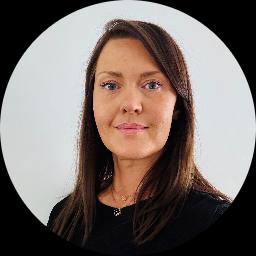
About Nicola
Nicola Fiveash is a counsellor based in the United Kingdom with five years of practice supporting people through grief, stress, anxiety, trauma and life changes. She holds an NCPS credential and works with clients who identify as neurodivergent. Nicola aims to create a calm, respectful space where people can feel heard and begin to make sense of their experiences.
She uses an integrative, somatic-informed approach that draws on different therapies to suit each person’s needs.
Background and approach
Sessions often include talking together about what’s happening now, noticing how the body responds to emotions, and trying small, practical steps to ease distress. Nicola describes therapy as a collaborative process where the client’s pace guides the work. Her practice is trauma-informed and neurodiversity-affirming, with a focus on safety and autonomy.
Nicola helps people who are dealing with relationship strain, low mood, overwhelm, or the lasting effects of past painful events. She also supports concerns such as ADHD, addiction, sleep and eating difficulties, and career or parenting stress. Clients can expect straightforward language and a gentle, steady presence in sessions.
Nicola pays attention to patterns that come from earlier experiences while also focusing on what can change in day-to-day life. The aim is to build small, useful tools and clearer self-understanding over time. She offers online work through video, phone, live chat or messaging, and guides people through choosing an option that fits their routine.
Nicola encourages those who feel ready to take a first step at a pace that feels safe for them.
How Nicola’s approaches translate to online therapy
Somatic-informed work pays attention to the body as well as thoughts and feelings. In session a counsellor might guide simple body awareness, notice tension patterns and use grounding techniques to help reduce overwhelm. This can be useful for trauma, anxiety and stress-related symptoms.Acceptance and Commitment Therapy (ACT) helps people notice unhelpful thoughts while committing to actions that match their values. It uses practical exercises and gentle experiments to build psychological flexibility and clearer direction in life.
Attachment-based ideas focus on how early relationships shape current patterns. The therapist helps identify those patterns and tries different ways of relating in the safety of sessions to support better emotional connection with self and others.
Finding the right mix of approaches is part of the work. Nicola will collaborate with each person to decide which methods suit their goals, pace and preferences. That choice can shift over time as needs change.
Online therapy offers practical flexibility through video calls, phone sessions, live chat and text messaging. These options make it easier to fit therapy around family, work and mobility needs, and to continue care when life circumstances change. The formats also allow for brief check-ins or longer conversations depending on what someone needs at a given time.
Frequently asked questions
What issues does Nicola help with?
What style of therapy can I expect?
How much experience does she have?
Where is Nicola based and what are her credentials?
Can I work with her if I live outside the UK?
Which session formats are available?
How are sessions paid for and what does it cost?
How do I begin therapy with Nicola?
Specialties and expertise
Top specialties
Also works with
- Abandonment
- Addictions
- ADHD
- Adoption and foster care
- Aging and geriatric issues
- Antisocial personality
- Attachment issues
- Autism and Asperger Syndrome
- Avoidant personality
- Blended family issues
- Body image
- Cancer
- Career difficulties
- Caregiver issues and stress
- Chronic pain, illness, and disability
- Co-morbidity
- Coaching
- Codependency
- Commitment issues
- Communication problems
- Compassion fatigue
- Control issues
- Coping with life changes
- Coping with natural or human-caused disaster
- Dependent personality
- Depression
- Disruptive Mood Dysregulation Disorder (DMDD)
- Dissociation
- Divorce and separation
- Domestic violence
- Eating and food-related issues
- Eating disorders
- Emptiness
- Family conflicts
- Family of origin issues
- Family problems
- Fatherhood issues
- Fertility issues
- First responder issues
- Forgiveness
- Guilt and shame
- Hearing impaired
- HIV / AIDS
- Hoarding
- Hospice and end-of-life counseling
- Immigration issues
- Impulsivity
- Infidelity
- Intellectual disability
- Isolation / loneliness
- Jealousy
- Life purpose
- Midlife crisis
- Money and financial issues
- Mood disorders
- Multicultural concerns
- Narcissism
- Obsessions, compulsions, and OCD
- Panic disorder and panic attacks
- Paranoia
- Parenting issues
- Personality disorders
- Phobias
- Polyamory / non-monogamous relationships
- Post-traumatic stress
- Postpartum depression
- Pregnancy and childbirth
- Prejudice and discrimination
- Relationship issues
- Seasonal Affective Disorder (SAD)
- Self esteem
- Self-harm
- Self-love
- Sexual assault and abuse
- Sleeping disorders
- Smoking / vaping cessation
- Social anxiety and phobia
- Somatization
- Traumatic brain injury
- Trichotillomania
- Veteran and Armed Forces Issues
- Visually impaired
- Women's issues
- Workplace issues
- Young adult issues
Therapeutic approaches
- Acceptance and Commitment Therapy (ACT)
- Attachment-Based Therapy
- Client-Centered Therapy
- Cognitive Behavioral Therapy (CBT)
- Dialectical Behavior Therapy (DBT)
- Emotionally-Focused Therapy (EFT)
- Existential Therapy
- Hypnotherapy
- Jungian Therapy
- Mindfulness Therapy
- Motivational Interviewing
- Narrative Therapy
- Psychodynamic Therapy
- Solution-Focused Therapy
- Somatic Therapy
- Trauma-Focused Therapy
- Internal Family Systems
- Systemic Therapy
- Experience
- 5 years
- Licensed
- Languages
- English