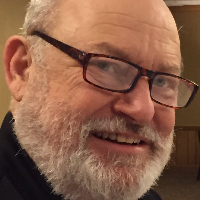
About Mark
Mark Wagemaker offers short, practical therapy for people who want change now. He speaks plainly and focuses on helping people regain calm, manage symptoms, and move past events that still cause pain. Mark is an LPC, and he draws on nearly two decades of experience to guide sessions toward clear goals.
He pays close attention to how the body holds stress. That somatic focus helps when anxiety, sleep problems, unexplained aches, or trauma reactions are part of the picture.
Background and approach
He also uses mindfulness and client-centered methods to help people notice what’s happening, and hypnotherapy when deeper shifting is needed. Mark has worked with people dealing with PTSD and trauma, chronic anxiety and depression, relationship and intimacy concerns, burnout, and grief. He also supports those facing career strain, parenting stress, addiction challenges, and life-purpose questions.
First responders and veterans are among the additional areas he addresses. Sessions aim to be straightforward and collaborative. People set the goals, and he helps outline steps to reach them.
The approach balances symptom relief with learning new ways to respond when old patterns reappear. Mark combines professional experience with personal and spiritual perspectives. He centers respect for each person’s story while offering tools to reduce distress and build daily coping.
If someone wants practical change, he focuses on the next manageable step.
How his approaches work online
Somatic work focuses on the body’s role in stress and healing. Online sessions can guide people to notice breath, posture, tension, and movement so they can reduce bodily reactions linked to anxiety, sleep problems, or trauma. Client-Centered Therapy emphasizes listening and building trust; the therapist follows the person’s pace and priorities to create a safe, collaborative space for change. Emotionally-Focused Therapy (EFT) helps people identify and shift patterns in close relationships by naming emotions and opening new ways to connect.Choosing the right approach is part of therapy. He will talk with each person about goals, preferences, and what feels comfortable. Together they decide which methods to try and adjust over time based on what helps most.
Online formats offer flexibility for people with busy schedules or limited local options. Video sessions let the therapist and client work visually on breathing, posture, and movement. Phone, live chat, and text-based messaging give alternatives for check-ins, shorter conversations, or when video is not practical. These options make it easier to keep therapy consistent while fitting into everyday life.
Frequently asked questions
What concerns does he help with?
What is his general therapeutic approach?
How much experience does he have?
What are his credentials and where is he located?
Which languages and international options are available?
In what formats are sessions offered?
How are sessions paid for?
What is the first step to begin therapy?
Specialties and expertise
Top specialties
- Stress, Anxiety
- Relationship issues
- Trauma and abuse
Also works with
- Addictions
- Anger management
- Career difficulties
- Coaching
- Compassion fatigue
- Coping with life changes
- Depression
- First responder issues
- Grief
- Hospice and end-of-life counseling
- Intimacy-related issues
- LGBT
- Life purpose
- Mood disorders
- Parenting issues
- Post-traumatic stress
- Self esteem
- Sexuality
- Sleeping disorders
- Social anxiety and phobia
- Veteran and Armed Forces Issues
Therapeutic approaches
- Experience
- 18 years
- Licensed
- Georgia
- Languages
- English