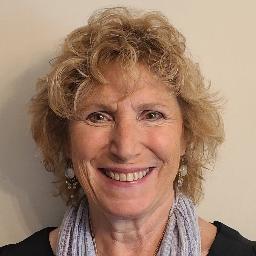
About Louise
Louise Kenny is a licensed clinical social worker with 25 years of experience. She offers calm, steady support for people facing loss, addiction, identity questions, and major life changes. Louise listens closely and helps people notice what is happening in their minds and bodies.
She uses a somatic lens to help people connect physical sensations to emotions. That work is paired with client-centered listening and practical cognitive tools when useful.
Background and approach
Sessions are conversational and aimed at discovering what matters to the person in front of her. Many people come with grief, shame, or relationship pain. Louise also supports those coping with caregiver stress, cancer, aging concerns, and end-of-life issues.
She pays attention to family of origin patterns and codependency without assuming every story needs intense digging. Her approach balances talking and body awareness. She will name patterns, offer simple strategies, and follow each person’s pace.
Goals are practical and grounded in daily life rather than abstract theory. Louise holds the LCSW credential, licensed in Connecticut and Florida under FL LCSW SW6941 and CT LCSW 004204. She practices in Connecticut and conducts sessions in English.
For people who prefer remote options, she offers video, phone, chat, and text-based sessions through a subscription model.
How somatic and talk therapies work online
Somatic Therapy pays attention to bodily sensations and how they carry emotion. In online sessions this can mean noticing breathing, posture, or tension and using simple movement or grounding to help regulate feelings. It can be useful for trauma, stress, and anger where the body holds much of the reaction.Client-Centered Therapy focuses on being heard without judgment. The therapist follows the person’s priorities, reflecting feelings and helping clarify what matters. This approach helps people who feel stuck, lonely, or unsure about life direction.
Cognitive Behavioral Therapy, or CBT, looks at thoughts and behaviors that keep problems going and teaches practical tools to change them. Online CBT often includes short exercises to try between sessions and straightforward skill teaching for anxiety, depression, or addictive habits.
Choosing the right mix of approaches is part of the work. The therapist will collaborate with each person to decide which methods fit their needs, goals, and comfort level. That choice evolves over time as progress is made.
Online formats offer flexibility for busy lives. Video calls let the therapist see nonverbal cues, phone sessions provide a quieter option, and live chat or text-based messaging can suit people who prefer written communication. These options make it easier to keep continuity of care and practice new skills in everyday settings.
Frequently asked questions
What concerns does she help with?
How would you describe her therapeutic style?
What is her professional background?
Which credentials and locations are on record?
Which languages are supported for sessions?
What formats are available for meeting online?
How are fees and payment structured?
What steps start the process of working together?
Specialties and expertise
Top specialties
Also works with
- Addictions
- Aging and geriatric issues
- Anger management
- Cancer
- Caregiver issues and stress
- Codependency
- Compassion fatigue
- Divorce and separation
- Drug and alcohol addiction
- Family of origin issues
- Forgiveness
- Guilt and shame
- Hospice and end-of-life counseling
- Isolation / loneliness
- Life purpose
- Relationship issues
- Self esteem
- Self-love
- Trauma and abuse
Therapeutic approaches
- Experience
- 25 years
- Licensed
- Connecticut, Florida
- Languages
- English