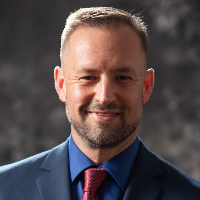
About Kevin
Kevin Wilbanks is a licensed counselor based in Oregon who focuses on helping people move from where they are to where they want to be. He combines practical strategies with quiet listening so clients can feel heard and begin to change old patterns. Kevin emphasizes a steady, honest relationship in therapy as the foundation for making different choices in life.
Kevin has worked in counseling for decades and brings 32 years of experience to his work.
Background and approach
He helps people who are coping with stress, anxiety, depression, trauma and abuse, relationship problems, anger, parenting strain, and self-esteem struggles. He also supports those facing challenges like abandonment, adoption and foster care issues, caregiving stress, cancer-related concerns, and attachment difficulties. In sessions he uses body-centered somatic work alongside attachment-based and client-centered approaches.
He also draws on cognitive behavioral techniques and elements of dialectical behavior therapy to teach skills for emotion regulation and clearer thinking. The focus is on calming body and mind so decisions feel less driven by reactivity. Kevin explains patterns that link past experiences to current life choices and helps people test new ways of thinking and behaving.
He offers coaching on behavioral skills and works with clients to reduce self-sabotaging thoughts. The goal is practical change that improves daily functioning and relationships. He holds the credentials LCPC and LPC and has provided clinical counseling in varied settings, including work supporting the United States Armed Forces.
Outside of practice he enjoys drumming, hiking, fitness, travel, and reading.
How somatic and skills-based approaches work online
Somatic work helps people notice how stress shows up in the body and learn simple ways to ease physical tension that keeps emotions stuck. Attachment-based approaches focus on patterns in close relationships and how feeling understood can change those patterns over time. Client-centered work places the person's experience at the center, with the therapist listening closely and following the client's pace.Finding the right fit is part of the work. The therapist will collaborate with each person to decide which combination of approaches makes sense for their goals and comfort level. This is a joint process where adjustments are made as people learn what helps them most.
Online therapy can make that process easier to access. Video calls allow face-to-face interaction when noticing body signals matters, while phone sessions can feel less exposing for some people. Live chat and text-based messaging offer short, flexible ways to check in and practice skills between sessions. These options make it simpler to fit therapy into a busy life and to try different formats to see what supports progress best.
Frequently asked questions
What concerns does this therapist commonly address?
What is the general approach or style in sessions?
How long has this clinician practiced counseling?
What credentials and location are listed for the therapist?
Which languages are supported and are international clients possible?
What session formats are available for online work?
How is cost handled for sessions?
How does someone begin if they want to connect?
Specialties and expertise
Top specialties
- Stress, Anxiety
- Relationship issues
- Self esteem
Also works with
- Abandonment
- Adoption and foster care
- Aging and geriatric issues
- Anger management
- Attachment issues
- Avoidant personality
- Blended family issues
- Cancer
- Caregiver issues and stress
- Co-morbidity
- Codependency
- Commitment issues
- Communication problems
- Control issues
- Coping with natural or human-caused disaster
- Dependent personality
- Depression
- Dissociation
- Divorce and separation
- Emptiness
- Family conflicts
- Family of origin issues
- Family problems
- Fatherhood issues
- First responder issues
- Forgiveness
- Guilt and shame
- Immigration issues
- Impulsivity
- Infidelity
- Isolation / loneliness
- Jealousy
- Life purpose
- Men's issues
- Midlife crisis
- Mood disorders
- Multicultural concerns
- Obsessions, compulsions, and OCD
- Panic disorder and panic attacks
- Paranoia
- Parenting issues
- Phobias
- Post-traumatic stress
- Postpartum depression
- Process addiction (porn, exercise, gambling)
- Self-love
- Social anxiety and phobia
- Somatization
- Trauma and abuse
- Veteran and Armed Forces Issues
- Workplace issues
- Young adult issues
Therapeutic approaches
- Experience
- 32 years
- Licensed
- Georgia, Oregon, Idaho, Utah
- Languages
- English