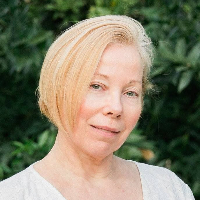
About Kathy
Dr. Kathy Greathouse is a licensed marriage and family therapist in California. She blends talk therapy with body-focused methods to help people manage stress, anxiety, grief, and life transitions.
Her work emphasizes practical steps and embodied practices to move through difficult emotions. She often combines psychotherapy with meditation, breathwork, and gentle movement. Sessions can include sound work and relaxation exercises alongside conversation.
The aim is to help people notice how feelings live in the body and find ways to release them safely.
Background and approach
Kathy describes therapy as both emotional and practical. She offers steady support, encouragement, and clear suggestions tailored to each person's needs. Her style is warm and grounded, and she adapts tools based on what helps an individual most.
Her approach draws on attachment ideas, client-centered listening, and mindfulness practices. These methods guide how she builds trust and explores relationship patterns, self-worth, and coping skills. The focus is on achievable changes someone can try between sessions.
People turn to her for a wide range of concerns including addictions, intimacy-related issues, eating and sleeping problems, parenting stress, career matters, bipolar and depression, and compassion fatigue. She also addresses specific themes such as abandonment, codependency, loneliness, and midlife questions. Kathy aims to meet each person where they are and support steady progress.
How somatic and attachment ideas work online
Somatic work pays attention to sensations in the body and simple practices like breathwork and gentle movement. Online sessions can guide a person to notice tension, try calming breaths, and practice grounding between talks. Attachment-based work looks at how early relationship patterns affect current connections and self-worth, and helps people spot repeating patterns and try new ways of relating in daily life.Finding the right approach is a collaborative process. The therapist will listen to your goals, try different tools, and adjust methods based on what feels helpful. Clients and the therapist decide together whether more body-focused practices, mindful exercises, or reflective conversation best support the work.
Online therapy provides flexibility through video calls, phone sessions, live chat, and text messaging. These formats let people fit sessions around work, caregiving, and travel, and practice techniques in the places where stress actually happens. The variety of formats also makes it easier to keep momentum between sessions and use short check-ins when needed.
Frequently asked questions
What concerns does she help with?
How would you describe her therapy style?
What is her professional background?
Where is she licensed and practicing?
Which languages are supported?
Can people outside the country work with her?
What session formats are available?
How are costs and scheduling handled?
Specialties and expertise
Top specialties
Also works with
- Abandonment
- Addictions
- Aging and geriatric issues
- Antisocial personality
- Attachment issues
- Bipolar disorder
- Career difficulties
- Coaching
- Codependency
- Commitment issues
- Compassion fatigue
- Control issues
- Coping with life changes
- Depression
- Eating disorders
- Emptiness
- Family conflicts
- Fatherhood issues
- Fertility issues
- Forgiveness
- Guilt and shame
- Intimacy-related issues
- Isolation / loneliness
- Life purpose
- Midlife crisis
- Panic disorder and panic attacks
- Parenting issues
- Post-traumatic stress
- Postpartum depression
- Pregnancy and childbirth
- Process addiction (porn, exercise, gambling)
- Relationship issues
- Seasonal Affective Disorder (SAD)
- Self-love
- Sleeping disorders
- Smoking / vaping cessation
- Social anxiety and phobia
- Trauma and abuse
- Traumatic brain injury
- Women's issues
- Workplace issues
Therapeutic approaches
- Experience
- 8 years
- Licensed
- California
- Languages
- English