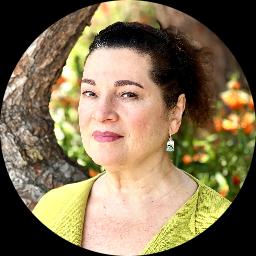
About Gina
Dr. Gina Gonzalezreyna is a licensed marriage and family therapist with 25 years of experience. She speaks English and Spanish and helps people manage stress, anxiety, relationships, parenting concerns, grief, depression, and sleep problems.
She uses practical, down-to-earth techniques and aims to build each person's self-awareness and confidence. Her work often blends body-aware somatic approaches with attachment-based and client-centered methods. That means she pays attention to how the body holds stress and how early relationship patterns affect current struggles.
Background and approach
Sessions are aimed at making small, useful changes that fit daily life rather than relying on jargon or long lectures. Dr. Gonzalezreyna keeps a steady, compassionate presence in sessions and sometimes brings gentle humor when it helps.
She supports people dealing with trauma, abandonment, codependency, and post-traumatic stress, and she also addresses issues like parenting, pregnancy and childbirth, postpartum depression, and blended family challenges. Her approach is practical and relational - she listens first, then helps shape a plan together.
She asks clients to keep a regular weekly time when possible, and she offers video, phone, live chat, or text-based messaging to suit different schedules. Response time for texts and messages is usually within 24 hours, and in emergencies clients are advised to call 988. Dr.
Gonzalezreyna practices in California as CA LMFT 47530. She notes that the service platform is not intended for extreme mental health crises or situations where safety is at risk. The work she offers focuses on steady progress toward emotional growth and better day-to-day functioning.
Approaches that connect body, attachment, and choice
Somatic work pays attention to how the body holds stress and emotion. This approach uses gentle awareness of breath, posture, and physical sensations to help people notice and shift habitual tension patterns that affect mood and relationships.Attachment-based work looks at how early relationship experiences shape current expectations and closeness. It can help people recognize repeating patterns in relationships and try new ways of connecting that feel safer and more predictable.
Client-centered therapy focuses on listening and following the person's agenda. The therapist offers empathy and reflection so the person can explore their own answers and build confidence in making changes.
Finding the right combination of approaches is part of the process. The therapist collaborates with each person to choose methods that match their needs, goals, and preferences, and adjustments are made over time as progress unfolds.
Online formats include video calls, phone sessions, live chat, and text-based messaging. Video works well for in-depth sessions when visual cues matter. Phone sessions can fit a break at work or handle lower bandwidth. Live chat or text is useful for brief check-ins, homework support, or people who prefer writing. These options make therapy more flexible and easier to fit into everyday life.
Frequently asked questions
What concerns does she address?
How would you describe her therapy style?
What is her background and experience?
What credentials and location are listed?
Which languages are supported?
What session formats are available?
How much do sessions cost?
How do I begin therapy with her?
Specialties and expertise
Top specialties
- Stress, Anxiety
- Relationship issues
- Trauma and abuse
Also works with
- Abandonment
- Anger management
- Attachment issues
- Autism and Asperger Syndrome
- Blended family issues
- Career difficulties
- Codependency
- Commitment issues
- Communication problems
- Coping with life changes
- Depression
- Family of origin issues
- Forgiveness
- Grief
- Guilt and shame
- Parenting issues
- Post-traumatic stress
- Postpartum depression
- Pregnancy and childbirth
- Self esteem
- Sleeping disorders
- Somatization
- Young adult issues
Therapeutic approaches
- Experience
- 25 years
- Licensed
- California
- Languages
- English, Spanish