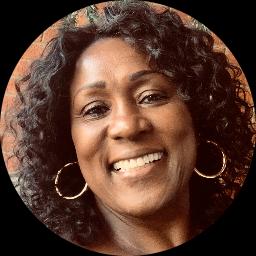
About Estelle
Estelle Richardson is a licensed clinical social worker who helps people facing stress, anxiety, trauma and abuse, grief, low self-esteem, and major life changes. She offers a calm presence and a straightforward, compassionate way of working. Many clients come because they want practical skills and steady support as they move through hard moments.
Estelle creates a space where thoughts and feelings can be named without judgment. She focuses on listening first, then helping people decide what changes feel important to them.
Background and approach
Sessions often include helping people notice how their body, thoughts, and actions interact so they can try concrete, manageable steps between meetings. Her background includes five years in direct clinical practice as a licensed independent clinical social worker - LICSW - in the District of Columbia.
Estelle draws on a mix of approaches to match what a person needs in the moment rather than using a single method every time. She uses somatic awareness to help people notice bodily signals tied to stress and trauma. She also works with acceptance and commitment ideas to clarify values and encourage small, values-aligned actions.
Cognitive tools and attachment-informed understanding of relationships are woven in when helpful. Estelle aims for clear, doable goals in therapy. Appointments move at a steady pace and focus on skills people can use right away.
She supports each person in finding the next practical step toward feeling more capable and steady.
How somatic and talk approaches work online
Somatic-informed work helps people notice how stress and emotions show up in the body. Online sessions can guide simple sensing exercises and breathing practices to reduce tension and increase awareness. Acceptance and Commitment Therapy, or ACT, helps clarify what matters most and encourages small, value-driven steps even when feelings are strong. Attachment-based ideas look at how relationships shape expectations and safety, helping people name patterns and try new ways of connecting.Finding the best approach is part of the process. The therapist will listen to your goals and try methods that fit your situation. Together you can test what helps most and adjust the plan as you go, making therapy a collaborative effort focused on practical change.
Online therapy offers flexibility and easier access to regular care. Video calls let you work face to face from home, while phone sessions, live chat, and text messaging provide alternatives for busy days or when typing feels easier. These options make it simpler to keep momentum, practice new skills between meetings, and stay connected when life gets crowded.
Frequently asked questions
What concerns does this therapist address?
What is the therapist's general approach and style?
What background and experience does she have?
What are the therapist's credentials and location?
Which languages are supported and are international clients accepted?
What formats are available for sessions?
How is cost handled for sessions?
How do I begin working with this therapist?
Specialties and expertise
Top specialties
Also works with
Therapeutic approaches
- Experience
- 5 years
- Licensed
- District of Columbia
- Languages
- English