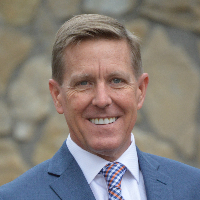
About David
David Yoder is a Licensed Professional Counselor (LPC) with six years of experience. He focuses on fear-based struggles like stress, anxiety, depression, and addiction. He also helps with relationship strain, sleep problems, grief, and life transitions.
David uses a straightforward, calm style so conversations feel natural and easy. He favors a person-centered way of working that puts the client’s experience first. That means listening, reflecting, and helping people name what matters to them.
Background and approach
From there he draws on practical tools to meet each person where they are. David commonly uses somatic ideas to help people notice how the body holds stress and tension. He also works with cognitive-behavioral techniques to address unhelpful thoughts and patterns.
Dialectical skills are used when emotional regulation and impulse control are needed. His background includes work with addiction, bipolar disorder, ADHD, trauma and abuse, and relationship concerns. He also supports people dealing with parenting stress, career uncertainty, and questions about life purpose.
Additional focuses include attachment issues, codependency, and substance-related problems. Sessions are oriented toward practical next steps and small, tangible changes. David aims to help clients build coping skills and clearer direction.
He encourages collaboration so each person shapes their own path forward.
How somatic and skills-based methods work online
Somatic Therapy in an online setting helps people notice bodily sensations tied to stress and anxiety and learn ways to release tension through breath and gentle body awareness. It can be useful for trauma responses, panic, and chronic tension. Client-Centered Therapy focuses on building a supportive, nonjudgmental space where people set the pace and goals of the work; this approach is about being heard and guiding personal insight. Cognitive Behavioral Therapy (CBT) looks at how thoughts, feelings, and actions link together and uses practical exercises to shift unhelpful patterns, which helps with anxiety, depression, and problem-solving.Finding the right approach is a joint process. The therapist will talk with the client about their needs, goals, and what feels comfortable. Together they decide which methods to try and adjust the plan as progress is made or needs change.
Online therapy allows sessions by video, phone, live chat, or text-based messaging for more flexibility. These formats make it easier to fit therapy into busy schedules and to continue work between appointments. Licensed professionals can guide somatic practices, coach coping skills, and use CBT or DBT tools in ways that suit each person's circumstances and preferences.
Frequently asked questions
What concerns does this therapist commonly address?
What is the therapist's general approach in sessions?
How much clinical experience does he have?
What are the therapist's credentials and location?
Which languages are supported for sessions?
What session formats are available online?
How is cost and payment handled?
How do I begin working with this therapist?
Specialties and expertise
Top specialties
- Stress, Anxiety
- Addictions
- Relationship issues
Also works with
- ADHD
- Anger management
- Antisocial personality
- Attachment issues
- Bipolar disorder
- Career difficulties
- Co-morbidity
- Codependency
- Communication problems
- Control issues
- Coping with life changes
- Depression
- Divorce and separation
- Drug and alcohol addiction
- Family conflicts
- Family of origin issues
- Family problems
- Forgiveness
- Grief
- Guilt and shame
- Impulsivity
- Isolation / loneliness
- LGBT
- Life purpose
- Men's issues
- Midlife crisis
- Money and financial issues
- Mood disorders
- Narcissism
- Obsessions, compulsions, and OCD
- Panic disorder and panic attacks
- Parenting issues
- Personality disorders
- Phobias
- Post-traumatic stress
- Process addiction (porn, exercise, gambling)
- Self esteem
- Self-harm
- Self-love
- Sexual assault and abuse
- Sleeping disorders
- Smoking / vaping cessation
- Social anxiety and phobia
- Trauma and abuse
- Workplace issues
- Young adult issues
Therapeutic approaches
- Experience
- 6 years
- Licensed
- Missouri
- Languages
- English