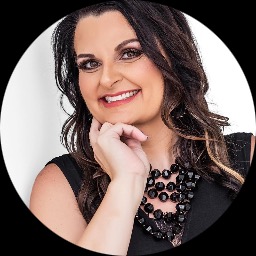
About Chasity
Chasity Keller Anderson is a Licensed Clinical Social Worker (LCSW) based in North Dakota. She brings ten years of experience helping people manage stress, anxiety, grief, mood changes, and addiction. She aims to build straightforward rapport so clients feel heard and can make small, practical changes.
She has worked in schools, community programs, and public service roles. Her background includes case management, counseling for military families, child abuse and neglect work, domestic violence services, youth outreach, and support for people facing homelessness.
Background and approach
Those settings shaped how she approaches everyday problems and crisis moments. Chasity uses a mix of approaches that include somatic-informed methods, Acceptance and Commitment Therapy, attachment-focused work, client-centered conversation, and cognitive behavioral techniques. Sessions are paced to match what each person needs, with attention to body experience as well as thoughts and feelings.
Her style is interactive and warm. She focuses on clear communication, practical skills, and building resilience over time. She helps parents facing stress, people coping with life changes, and those struggling with mood or attention differences.
Clients can expect collaboration on goals and steps to try between sessions. Chasity emphasizes real-world strategies - breathing, grounding, values-based action, and small behavior shifts - to help people move forward in their daily lives.
How somatic and evidence-based approaches work online
Somatic-informed work pays attention to how the body holds stress and emotion. In sessions this might look like noticing breath, posture, or simple grounding practices to reduce overwhelm. This approach can help when feelings show up physically, such as tension, panic, or body-based reminders of past events.Acceptance and Commitment Therapy, or ACT, focuses on helping people clarify what matters to them and take small actions toward those values. It uses simple behavioral experiments and mindfulness skills to reduce avoidance and increase meaningful activity.
Attachment-based work looks at how early relationships shape current patterns. It helps people understand connection needs and practice new ways of relating that feel safer and more effective in relationships.
Finding the right mix of approaches is part of the process. The therapist will work together with each person to choose methods that fit their needs, goals, and comfort level. This is a collaborative exploration rather than a fixed plan.
Online therapy offers flexibility through video calls, phone sessions, live chat, or text-based messaging. These options make it easier to fit care into busy schedules, check in between sessions, and use skills in real life. Many people find the variety of formats helps them stay consistent and apply what they learn across everyday situations.
Frequently asked questions
What kinds of concerns can be brought to therapy?
How would you describe the therapeutic style?
What is Chasity's professional background?
What are the clinician's credentials and location?
In which languages are sessions held?
Which session formats are available?
How does pricing and payment work?
What should I do to begin therapy?
Specialties and expertise
Top specialties
- Stress, Anxiety
- Relationship issues
- Family conflicts
Also works with
- Abandonment
- Addictions
- ADHD
- Adoption and foster care
- Aging and geriatric issues
- Anger management
- Antisocial personality
- Attachment issues
- Autism and Asperger Syndrome
- Avoidant personality
- Bipolar disorder
- Blended family issues
- Body image
- Caregiver issues and stress
- Codependency
- Commitment issues
- Communication problems
- Control issues
- Coping with life changes
- Dependent personality
- Depression
- Disruptive Mood Dysregulation Disorder (DMDD)
- Dissociation
- Divorce and separation
- Domestic violence
- Eating and food-related issues
- Emptiness
- Family of origin issues
- Family problems
- Fatherhood issues
- Fertility issues
- First responder issues
- Forgiveness
- Gender dysphoria
- Grief
- Guilt and shame
- HIV / AIDS
- Immigration issues
- Impulsivity
- Infidelity
- Isolation / loneliness
- Jealousy
- LGBT
- Life purpose
- Men's issues
- Midlife crisis
- Money and financial issues
- Mood disorders
- Multicultural concerns
- Obsessions, compulsions, and OCD
- Panic disorder and panic attacks
- Paranoia
- Parenting issues
- Personality disorders
- Phobias
- Polyamory / non-monogamous relationships
- Post-traumatic stress
- Postpartum depression
- Pregnancy and childbirth
- Seasonal Affective Disorder (SAD)
- Self esteem
- Self-harm
- Self-love
- Sexual assault and abuse
- Sexuality
- Social anxiety and phobia
- Somatization
- Trauma and abuse
- Trichotillomania
- Veteran and Armed Forces Issues
- Women's issues
- Workplace issues
- Young adult issues
Therapeutic approaches
- Acceptance and Commitment Therapy (ACT)
- Attachment-Based Therapy
- Client-Centered Therapy
- Cognitive Behavioral Therapy (CBT)
- Dialectical Behavior Therapy (DBT)
- Emotionally-Focused Therapy (EFT)
- Existential Therapy
- Eye Movement Desensitization and Reprocessing (EMDR)
- Gottman Method
- Mindfulness Therapy
- Motivational Interviewing
- Narrative Therapy
- Psychodynamic Therapy
- Solution-Focused Therapy
- Somatic Therapy
- Trauma-Focused Therapy
- Experience
- 10 years
- Licensed
- North Dakota
- Languages
- English