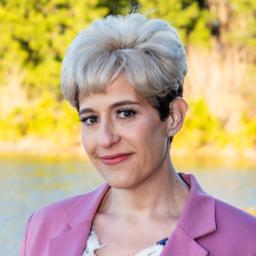
About Catherine
Catherine Gentry is a Licensed Professional Counselor (LPC) in Texas who uses a somatic-informed approach alongside practical talking therapies. She focuses on helping people manage stress, anxiety, addictions, trauma and abuse, low self-esteem, and depression. Catherine emphasizes a straightforward, supportive style that respects each person's strengths and pace.
She believes clients are the experts on their own lives and helps them build on what already works. Sessions often look at how the body and mind interact during stress and healing, then combine that awareness with tools to change unhelpful thoughts and behaviors.
Background and approach
That can mean learning new coping skills, practicing grounding and breathing, or noticing patterns that keep people stuck. Over five years of practice in Texas, she has supported people dealing with issues like abandonment, attachment struggles, codependency, dissociation, and substance misuse.
She also works with concerns such as emptiness, guilt and shame, life purpose questions, personality disorder traits, post-traumatic stress, sexual assault recovery, and workplace stress. Catherine uses a mix of Acceptance and Commitment Therapy, cognitive-behavioral techniques, attachment work, and client-centered principles to tailor sessions. The focus is on clear goals and small, realistic steps that fit daily life.
She offers a calm, nonjudgmental space to explore difficult experiences and to practice new ways of coping. Taking the first step can feel hard, and she aims to make that step easier and more manageable.
How Somatic and ACT work in online therapy
Somatic-informed work pays attention to bodily signals that show up with stress or trauma. In online sessions this might mean learning to notice tension, breath patterns, or movement and using that awareness to calm the nervous system and reduce reactivity. Acceptance and Commitment Therapy (ACT) helps people notice difficult thoughts and feelings while committing to actions that match their values; it is useful for anxiety, depression, and life-direction challenges.Finding the right approach is part of the process. The therapist will work with clients to choose which methods feel most helpful based on needs, goals, and preferences. That choice is collaborative and can change as progress is made or new priorities emerge.
Confirm the current session options before booking, as formats are not listed here. Online therapy can make it easier to fit care into a busy life by removing travel time and allowing sessions during work breaks or from different locations. It also lets the therapist use worksheets, guided exercises, and real-time body-awareness practices that translate to daily routines. Talk with the therapist about practical preferences like session length, camera use, or brief check-ins so appointments match what works best for everyday life.
Frequently asked questions
What concerns does Catherine commonly help with?
How would you describe her therapeutic style?
What experience does she bring to sessions?
What are her credentials and practice location?
Which languages are sessions offered in?
Can people outside the United States work with her?
How are fees and payment handled?
What should I do to get started?
Specialties and expertise
Top specialties
Also works with
- Abandonment
- Attachment issues
- Codependency
- Depression
- Dissociation
- Drug and alcohol addiction
- Emptiness
- Family problems
- Guilt and shame
- Life purpose
- Personality disorders
- Post-traumatic stress
- Self esteem
- Self-love
- Sexual assault and abuse
- Workplace issues
Therapeutic approaches
- Experience
- 5 years
- Licensed
- Texas
- Languages
- English