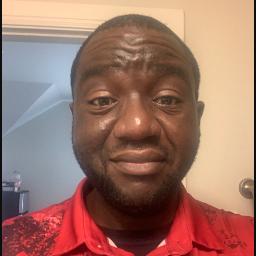
About Andrew
Andrew Oshobu is a licensed clinical social worker who helps people handle stress, anxiety, depression, and trauma. He guides clients working on self-esteem, life purpose, and coping with major life changes in practical, down-to-earth ways. He practices in Texas and works in English.
Andrew uses a mix of talk and body-aware work to help people feel steadier in day-to-day life. Sessions focus on simple skills for calming the body, naming upsetting thoughts, and trying small changes that can make things easier.
Background and approach
He often blends somatic work with other strategies to address both feelings and physical reactions. People who come to him bring concerns like attachment wounds, abandonment, communication problems, or issues tied to fatherhood and men’s roles. He also supports those dealing with OCD patterns, eating and food-related struggles, guilt and shame, and the fallout from divorce or separation.
His style is collaborative and direct. He listens for what matters to each person, then offers practical tools from therapies such as Acceptance and Commitment Therapy, Cognitive Behavioral Therapy, and Dialectical Behavior Therapy. Sessions move at a pace the client is comfortable with.
Andrew has three years of clinical experience and holds the Texas LCSW 111422 license. He focuses on helping people build skills, notice patterns that hold them back, and take steps toward a clearer sense of purpose and self-compassion.
How somatic and evidence-based approaches work online
Somatic work helps people notice how emotions show up in the body and learn gentle ways to release tension and regain calm. It can be useful for trauma, anxiety, and stress when physical reactions get in the way of daily life.Acceptance and Commitment Therapy (ACT) focuses on noticing thoughts and values, then choosing small actions that match what matters most. It is practical for people who want to stop struggling with unhelpful thoughts and start living with more purpose.
Client-centered therapy emphasizes a supportive, nonjudgmental space where the person’s own goals guide the work. This approach helps people feel heard and clear about the next steps they want to take.
Finding the right mix of methods is part of the process. The therapist will work with each person to decide whether somatic techniques, ACT, or client-centered conversations - or a blend - best fit their needs and preferences. That decision is collaborative and can change over time.
Online therapy offers flexibility through video calls, phone sessions, live chat, and text-based messaging. These options make it easier to fit sessions around work, family, or irregular schedules, and let people continue work between sessions using brief messages or chats when needed.
Frequently asked questions
What concerns does Andrew commonly address?
How would you describe his therapeutic style?
What is his clinical background?
Which credentials and region apply to this therapist?
In which languages can sessions be held?
What session formats are available for working together?
How are fees and payment handled?
How do I begin working with him?
Specialties and expertise
Top specialties
Also works with
- Abandonment
- Attachment issues
- Communication problems
- Control issues
- Coping with life changes
- Depression
- Divorce and separation
- Eating and food-related issues
- Fatherhood issues
- First responder issues
- Forgiveness
- Guilt and shame
- Jealousy
- Life purpose
- Men's issues
- Multicultural concerns
- Obsessions, compulsions, and OCD
- Panic disorder and panic attacks
- Paranoia
- Phobias
- Post-traumatic stress
- Prejudice and discrimination
- Process addiction (porn, exercise, gambling)
- Self-love
- Social anxiety and phobia
- Workplace issues
Therapeutic approaches
- Experience
- 3 years
- Licensed
- Texas
- Languages
- English